Golf Simulator Not Reading Shots? Fix Placement, Lighting & Ball Issues Fast
Golf simulator not reading shots? Here are the real causes of missed and misread data, from monitor placement and lighting to ball position and firmware, with fixes for each.
If your golf simulator keeps missing shots or spitting out distances that make no sense, the fix is almost always one of six things: monitor placement, lighting, ball marking, ball position, club path relative to the unit, or firmware. Launch monitors are precise instruments, and small setup errors throw off the data far more than swing changes do. Work through the causes below in order, fix one variable at a time, and re-test after each change so you know exactly what solved it.
Fix-it shopping list
The three upgrades that solve most missed and misread shots: a forgiving monitor, marked balls, and even lighting.
-
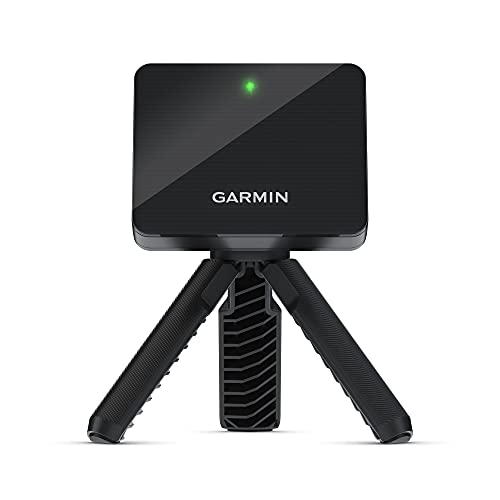 Launch monitor Garmin Approach R10 Portable Golf Launch Monitor
A forgiving radar unit that reads cleanly once placed and squared correctly, the easiest fix if your current monitor keeps missing shots.
-
 Mark your ball XQK XQK Golf Ball Marking Template
Prints the alignment dots a camera unit needs to read spin, so a photometric monitor stops returning zero or erratic spin on unmarked balls.
-
 Better lighting hykolity 4-Pack 4FT LED Shop Lights
Even, flicker-free 5000K light across the hitting zone, which clears up the intermittent misses camera units get in a dim or shadowy room.
Prices update on Amazon and change often. As an Amazon Associate we earn from qualifying purchases at no extra cost to you.
Start by identifying the symptom
The fastest path to a fix is matching your exact symptom to its likely cause. Missed shots, where the unit registers nothing, point to a placement, lighting, or sight-line problem. Misread shots, where the unit fires but the numbers are wrong, point to calibration, ball model, or settings. Use this table to narrow it down before you start changing things.
| Symptom | Most likely cause | First fix to try |
|---|---|---|
| Unit registers no shot at all | Wrong placement distance or aim | Re-measure distance and square to target line |
| Camera unit misses intermittently | Lighting or glare | Add even overhead light, kill backlight |
| Spin reads zero or erratic | Unmarked ball on a photometric unit | Use a marked ball or alignment dot |
| Every club reads long or short | Calibration, level, or altitude setting | Re-level, re-measure, check altitude |
| One side reads worse than the other | Unit offset from the club path | Re-center unit to the ball-to-target line |
| Behavior changed after an update | Firmware reset settings | Re-verify settings and recalibrate |
1. Monitor placement and distance
Placement is the number one cause of dropped and bad shots. Every launch monitor specifies an exact position relative to the ball, and the rules differ by type. Radar units such as the Garmin R10 and FlightScope Mevo+ sit behind the ball, typically a set distance back, and need an unobstructed view of the ball flying away so the doppler can track it. Photometric units such as SkyTrak and Bushnell Launch Pro sit beside the ball at a measured offset and height. Pull out your manual and measure the distance with a tape, do not eyeball it. Being a few inches off, or having the unit tilted, is enough to cause repeated misses. Make sure the device is square to your ball-to-target line, not to the wall or screen.
2. Lighting (camera and photometric units)
Camera-based units depend on clean, even light. Too little light and the cameras cannot freeze the ball, too much glare and they get confused. Aim for bright, diffuse overhead lighting spread across the hitting zone rather than a single harsh spotlight that casts shadows. Avoid lighting that backlights the ball toward the lens, and keep the camera glass clean and free of fingerprints and dust. If you play in a garage or basement, adding a couple of evenly spaced LED panels often eliminates intermittent misses on its own. Radar units are largely immune to lighting, so if better light does not help, your unit is probably radar and the issue lies elsewhere. Our simulator lighting guide covers fixture placement in detail.
3. Metallic dots, stickers, and ball model
Photometric units read spin by tracking a marking on the ball through the camera frame. If you hit a blank-side ball, spin can read as zero or jump around. Rotate the ball so a logo, alignment line, or the unit's supplied dot faces the camera. Just as important, set the correct ball model in the software if your unit asks, because premium and range balls behave differently. Radar units usually do not need a marked ball for ball flight, though some offer an optional metallic sticker for spin. Never add stickers a unit does not call for, since unexpected reflections can throw off the read.
4. Ball position in the hitting zone
Each unit has a defined capture zone, a small area where the ball must sit to be seen correctly. If you tee up outside that zone, even by a few inches, the unit may miss the shot or misread launch angle. Mark the correct spot on your mat with a piece of tape or a dedicated hitting strip so you place the ball in the same place every time. Consistency here is what separates clean data from frustrating sessions, and it also makes your numbers comparable from one swing to the next.
5. Club path relative to the unit
A unit centered for a right-handed swing will not read a left-handed swing well, and a steep, off-axis path can clip the capture zone at an angle the device does not expect. If only certain clubs or shot shapes misread, check that the unit is centered on your actual ball-to-target line and re-center it when you switch hitting sides. For radar units, make sure nothing, including the tee, mat lip, or your own stance, is breaking the line of sight between the unit and the ball as it leaves.
6. Firmware and software settings
Outdated firmware causes tracking bugs, and updates sometimes reset your altitude, ball model, or environment settings back to defaults. Keep the device firmware and its companion app current, then re-verify your settings after every update. Confirm normalized altitude, temperature, and any environment toggles match your reality, since a wrong altitude setting alone can make every carry number read long. When numbers still drift after all of this, run a full calibration.
Still misreading? Recalibrate and verify gear
If you have worked through placement, lighting, ball marking, position, path, and firmware and the data is still off, the next step is a structured recalibration. Follow our step-by-step calibration walkthrough to dial distances, alignment, and club data using a proper test-and-adjust loop. And if your unit simply struggles in your space no matter what you try, some hardware is more forgiving than others. Our roundup of the best launch monitors breaks down which radar and camera units handle tight rooms, mixed lighting, and budget setups best, so you can match the device to your room instead of fighting it.
Golf Sim Build Planner
Room-fit worksheet, gear checklist, budget tracker, and wiring and lighting plan, in one printable planner that takes your build from idea to first swing.
Frequently Asked Questions
Why is my launch monitor missing shots completely?
A complete miss usually means the unit cannot see the ball at impact. For radar units like the Garmin R10, the most common cause is wrong placement distance behind the ball or a misaligned aim line. For camera units, it is poor lighting or the ball sitting outside the capture zone. Re-measure the unit's required distance, square it to your target line, and make sure the ball sits exactly where the manual specifies.
Why are my carry distances way too long or too short?
Misread distances almost always trace back to calibration and placement. If every club reads long, the unit may be reading extra ball speed or the wrong altitude setting. If everything reads short, check that the unit is level and the correct distance from the ball. Confirm your normalized altitude and temperature settings, then hit several balls of a known model and compare to your real on-course numbers.
Do I really need metallic dots on the ball?
It depends on the device. Photometric camera units like SkyTrak and Bushnell Launch Pro read spin best with marked balls or alignment dots placed in the camera's view. Radar units like the Garmin R10 and FlightScope Mevo+ generally do not need dots for ball flight, though some add an optional sticker for spin. Always follow your specific unit's manual, because using the wrong ball marking can confuse the optics.
Why does my simulator read putts or chips wrong?
Most consumer launch monitors are tuned for full swings and struggle with very low ball speeds. Short pitches and putts produce little spin and slow speed, which falls below the reliable range of many units. Use the device's dedicated short-game or putting mode if it has one, keep the ball in the marked position, and accept that finesse shots will be less precise than full shots on budget hardware.
Can lighting really stop a camera launch monitor from working?
Yes. Photometric units use high-speed cameras, and they need even, bright light without glare or harsh shadows across the hitting zone. Direct sunlight, a single overhead spotlight, or a dim garage can all cause missed or misread shots. Add diffuse overhead lighting, avoid backlighting the ball, and keep the lens clean. Radar units are far less sensitive to light but still want a clear path to the ball.
How often should I recalibrate my launch monitor?
Recalibrate any time you move the unit, change mats, swap ball models, or notice numbers drifting from your known distances. Many owners do a quick level-and-distance check at the start of every session and a fuller calibration monthly. A firmware update can also reset behavior, so re-verify after each update. Our calibration walkthrough covers the full test-and-adjust loop step by step.
Building a golf sim?
Use our free calculators and guides to size the room, the gear, and the budget.
Build Planner: $39