Golf Simulator Room Size: Width, Depth & Ceiling Guide
Exact golf simulator room size requirements: minimum 10w by 12d by 9h, comfortable 12w by 15d by 10h, and 15ft-plus width for both-handed play, with why each dimension matters.
For a golf simulator, the workable minimum room is about 10 feet wide, 12 feet deep, and 9 feet high. A comfortable room is 12 feet wide, 15 feet deep, and 10 feet high. If you want both right-handed and left-handed players to share one centered hitting spot, plan for 15 feet of width or more. Below, here is why each of the three dimensions matters and how to confirm your own space fits before you spend a dollar on gear.
Gear that fits your room
A monitor, a sized enclosure, and a mat that match a standard 10 ft bay. Confirm your dimensions first.
-
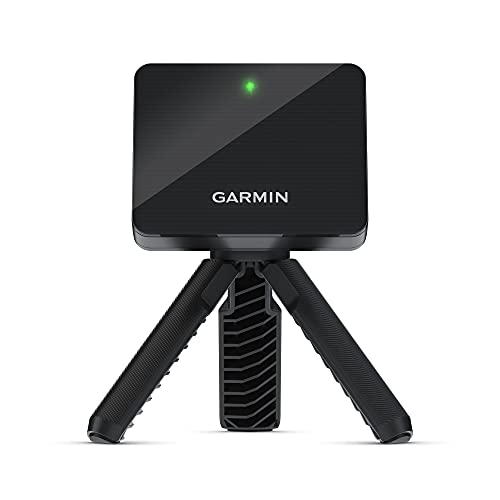 Launch monitor Garmin Approach R10 Portable Golf Launch Monitor
Radar unit that sits behind the ball and wants a deeper bay, a good fit when your room has the ball-flight depth.
-
 Fits a 10 ft room GoSports 10 x 8 ft Golf Simulator Enclosure Net
Standard all-in-one bay sized for a 10 ft wide room, with steel frame, blackout panels, and an HD impact screen.
-
 Budget bay KIKILIVE 10 x 8 ft Enclosure with HD Impact Screen
Budget all-in-one with foam-filled frame, blackout curtains, and removable side nets for a tight 10 ft bay.
-
 Hitting mat Real Feel Golf Mats Country Club Elite 4'x5' Golf Mat
Full-stance hitting mat with dense commercial turf that fits the floor of most 10 ft wide bays.
Prices update on Amazon and change often. As an Amazon Associate we earn from qualifying purchases at no extra cost to you.
The numbers at a glance
| Setup | Width | Depth | Ceiling |
|---|---|---|---|
| Workable minimum | 10 ft | 12 ft | 9 ft |
| Comfortable | 12 ft | 15 ft | 10 ft |
| Both-handed (RH and LH) | 15 ft+ | 15 ft | 10 ft |
Plug your exact dimensions into our golf sim room size calculator to check them against safe minimums, and see the full room size chart for more reference points.
Width: room for the club arc
Width is about your swing arc plus safe clearance on each side. For a single golfer who only ever hits from one side, 10 feet is the practical floor. You need the club to travel its full arc without clipping a side wall, plus a buffer so a slightly off-center setup or a mishit does not put a clubhead into the drywall. Twelve feet gives you breathing room, makes the bay feel less cramped, and lets you offset your stance slightly without trouble.
The big jump comes when you want both right-handed and left-handed players to hit from the same centered position in front of the screen. Now you need clearance for two opposite swing arcs from a middle stance, which pushes the requirement to 15 feet of width or more. Couples and families who share a bay should plan for this from the start, because adding width later usually is not possible.
Depth: standoff, launch monitor, and your space
Depth has three jobs stacked front to back. First is the standoff, the distance between the ball and the impact screen. You want enough that full-speed shots are safe and the ball decelerates into the screen rather than slamming a screen that is too close. Second is the room your launch monitor needs. Third is space for you to stand, swing, and step back between shots without backing into a wall.
Twelve feet covers a tight but workable setup. Fifteen feet is comfortable and gives radar launch monitors the flight window they want. This is also where launch monitor type interacts with your room. Radar units such as the Garmin R10 and FlightScope Mevo+ track the ball over a longer distance and prefer more depth, while camera or photometric units such as the SkyTrak and Bushnell Launch Pro sit beside or behind the ball and tolerate shorter rooms. If depth is your constraint, lean photometric. Our best launch monitors guide breaks down which units suit which spaces.
Ceiling: the dimension that kills builds
Ceiling height is the most common reason a planned bay does not work, so treat it carefully. About 9 feet is the practical minimum for a full driver swing, 10 feet is comfortable, and under 8.5 feet generally limits you to irons and wedges. The catch is that height needed depends on the player. Taller golfers and steeper, more vertical swings reach higher at the top of the backswing and the finish than people expect.
Always test your own full swing for overhead clearance before you build. Take a club to the actual room, make a slow full backswing, and check the space above the clubhead at the top, then do the same at a high finish. If you are short on height, the ceiling height guide covers swing adjustments, irons-only bays, and side-mounted photometric monitor layouts that can rescue a low room. The room size chart lists height thresholds alongside width and depth.
How the dimensions work together
No single number tells the whole story. A room can have great ceiling height but too little depth for a radar unit, or plenty of depth but not enough width to swing safely. The goal is a balanced space that clears your swing in all three directions and still leaves room for the screen, projector throw, and your stance. Garages and basements are popular because they often hit the depth and floor requirements, though garage door tracks and basement support beams can steal ceiling height, so measure to the lowest obstruction, not the highest point.
Confirm before you buy
Measure width, depth, and ceiling at the tightest points in the room, then compare against the table above. Run the numbers through our room size calculator, and if you are deciding between launch monitor types based on depth, read the best launch monitors under $1,000. Getting these three dimensions right before you order is the single biggest factor in whether your simulator feels great or cramped, so spend the extra hour measuring now.
Golf Sim Build Planner
Room-fit worksheet, gear checklist, budget tracker, and wiring and lighting plan, in one printable planner that takes your build from idea to first swing.
Frequently Asked Questions
What is the minimum room size for a golf simulator?
A workable minimum is about 10 feet wide, 12 feet deep, and 9 feet of ceiling. That fits a single right- or left-handed golfer with a full driver swing, the hitting mat, the impact screen, and a projector. It is tight, but it works. For a comfortable room with side clearance and an easy projector mount, aim for 12 feet wide, 15 feet deep, and 10 feet high.
How wide does a golf simulator room need to be?
Plan for at least 10 feet of width for a single-handed setup, since you need room for the club arc plus a buffer to each side of the screen. Twelve feet is comfortable. If you want both right-handed and left-handed players to hit from the same centered position, you need 15 feet of width or more so each player's swing path stays clear of the side walls.
How deep should a golf simulator room be?
Aim for at least 12 feet of depth, and 15 feet is comfortable. Depth has to cover the standoff between the ball and the screen so shots are safe, the room the launch monitor needs, and your own space to stand and step back. Radar launch monitors want more depth than camera units because they track the ball over a longer flight window behind and in front of the ball.
Can I fit a golf simulator in a 10x10 room?
A 10 by 10 room is usually too short on depth for a full, safe setup. You can swing, but 10 feet of depth leaves little room between the ball and screen plus your own standing space, and many radar launch monitors will struggle. If 10 by 10 is all you have, consider an irons-and-wedges practice bay with a net rather than a full driver simulator, and confirm with our room size calculator.
Does room size affect launch monitor choice?
Yes. Camera or photometric monitors like the SkyTrak or Bushnell Launch Pro sit beside or behind the ball and need less depth, which suits shorter rooms. Radar units like the Garmin R10 and FlightScope Mevo+ track ball flight and want more depth to read full data. If your room is short on depth, lean toward a photometric monitor and good, even lighting.
How much ceiling height do I need for a golf simulator?
About 9 feet is the practical minimum for a full driver swing, 10 feet is comfortable, and under 8.5 feet usually limits you to irons and wedges. Ceiling height varies by player because taller golfers and steeper swings reach higher, so always test your own full swing for overhead clearance before committing. See our ceiling height guide for tests and low-ceiling workarounds.
Building a golf sim?
Use our free calculators and guides to size the room, the gear, and the budget.
Build Planner: $39