Best Golf Simulator Under $1,500 (2026)
The best golf simulator under $1,500 for 2026, built on the Rapsodo MLM2PRO with a brighter projector, triple-layer impact screen, and mat for sharper data and play.
The best golf simulator under $1,500 is built around the Rapsodo MLM2PRO, which adds dual cameras to radar for measured spin and a real shot tracer. Pair it with a brighter Wanbo Mozart 1 Pro projector, a Durbles triple-layer impact screen, and a GoSports Elite mat and the complete build lands near $1,340. This tier buys sharper data and a better picture than an entry setup without reaching premium-enclosure money. Here are six real components and how they fit together.
Best Golf Simulator Gear Under $1,500

Rapsodo MLM2PRO Launch Monitor & Simulator
Doppler radar plus dual cameras capture 15+ metrics including measured spin, with a shot tracer and 30,000+ courses on Premium.
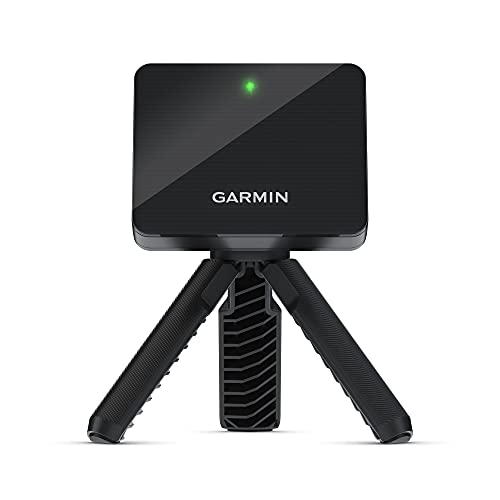
Garmin Approach R10 Portable Launch Monitor
The lower-cost radar anchor that frees budget for a better projector and screen while still playing virtual courses.

Wanbo Mozart 1 Pro 4K Smart Projector
A 1200-ANSI Google TV projector with HDR10, auto focus, and keystone, a real step up in brightness over entry models.

Durbles Triple-Layer Impact Screen with Grommets
A premium triple-layer screen with HD visuals, bungee cords, and grommets that quiets ball impact and sharpens the image.

GoSports Golf Hitting Mat - Elite 5 x 5 ft
A 15 mm artificial-turf mat with three rubber tees for a stable, forgiving full-swing stance session after session.

Voice Caddie SC4 PRO Launch Monitor & Simulator
A radar monitor with a built-in screen and a 3D driving range that needs no monthly subscription, ideal if you want fewer devices.
The jump from $1,000 to $1,500 is mostly about accuracy and image quality. The Garmin R10 estimates spin; the MLM2PRO measures it with radar and confirms it with cameras, which matters once you start caring about shot shape and spin-driven distance. The extra budget also funds a brighter projector and a quieter, sharper triple-layer screen. You still mount the projector to dodge shadows and you still want a dark room, but the experience is noticeably closer to a commercial bay.
Quick comparison
| Product | Role | Best for | Price |
|---|---|---|---|
| Rapsodo MLM2PRO | Launch monitor | Best overall, measured spin | $599.98 |
| Garmin Approach R10 | Launch monitor | Value anchor option | $399.98 |
| Wanbo Mozart 1 Pro | Projector | Brighter 1200-ANSI image | $399.99 |
| Durbles Triple-Layer Screen | Impact screen | Quiet, sharp display | $159.99 |
| GoSports Elite 5x5 Mat | Hitting mat | Stable full-swing stance | $179.99 |
| Voice Caddie SC4 PRO | Launch monitor | No-subscription, built-in screen | Check price |
Amazon pricing fluctuates, so treat these as a snapshot and add up your exact parts in the golf simulator cost calculator.
The complete build at $1,500
The recommended setup totals around $1,340: the MLM2PRO near $600, the Wanbo projector at $400, the Durbles triple-layer screen at $160, and the GoSports Elite mat at $180. That leaves a cushion for a ceiling mount, HDMI runs, and a powerful enough phone or tablet to drive the Rapsodo app. You could swap the MLM2PRO for a Garmin R10 to save $200 and put it toward a sturdier enclosure frame, but the measured spin of the MLM2PRO is the upgrade most golfers feel at this budget.
Rapsodo MLM2PRO (the upgrade that defines this tier)
The MLM2PRO blends Doppler radar with a dual-camera system, so it does not just estimate spin, it measures and visually confirms it. It captures 15-plus metrics, records impact and shot-tracer video from any angle, and ships with a Premium trial that unlocks more than 30,000 simulator courses and third-party app integration. Like all radar units it wants depth between the tee and the screen. For under $1,500, its accuracy and video are what justify building the rest of the room around it.
Brighter projector and a quieter screen
The Wanbo Mozart 1 Pro brings 1200 ANSI lumens, HDR10, auto focus, and keystone, a real brightness upgrade over $130 entry projectors that washes out less in a dim room. It is still standard-throw, so ceiling or rear placement keeps your shadow off the screen. The Durbles triple-layer impact screen is the other meaningful step up: the extra layers soften the loud crack of impact, cut bounce-back, and sharpen the projected image compared with a thin single-layer screen.
Mat and the no-subscription alternative
The GoSports Elite 5 by 5 ft mat gives a stable, forgiving stance and includes rubber tees for driver work. If recurring software fees bother you, the Voice Caddie SC4 PRO is a radar monitor with a built-in screen and a 3D driving range that runs without a monthly subscription, which trims devices and ongoing cost. It cannot match the MLM2PRO's course library or camera-confirmed spin, but for subscription-free, fewer-gadget simplicity it is a credible centerpiece.
How we chose
We did not test these products in person or hit into the screens ourselves. We compared published specifications, including the MLM2PRO's radar-plus-camera metrics, projector brightness and resolution, screen layer construction and noise reduction, and mat thickness, then checked those specs against patterns in verified owner reviews on Amazon. We weighted measured spin and image quality heavily because they are what separate a $1,500 build from an entry setup, and we were candid that a true short-throw projector usually waits for a higher budget.
Buying tips
Measure before you spend. Target roughly 12 ft wide, 15 ft deep, and a 10 ft ceiling, and always test your full driver swing first; our room size calculator and projector throw calculator dial in placement so the projector clears your swing. Put the launch monitor first in your budget, then the screen, then the projector and mat. For monitor depth see our best launch monitors under $1,000, for screens see the best golf simulator nets guide for net-based alternatives, and for full kits see the best budget golf simulators.
Golf Sim Build Planner
Room-fit worksheet, gear checklist, budget tracker, and wiring and lighting plan, in one printable planner that takes your build from idea to first swing.
Frequently Asked Questions
What is the best golf simulator under $1,500?
The standout build pairs the Rapsodo MLM2PRO launch monitor with a brighter 1200-ANSI projector, a triple-layer impact screen, and a GoSports Elite mat for roughly $1,340. The MLM2PRO is the upgrade that defines this tier: it adds dual cameras to the radar for measured spin and a real shot tracer. You get sharper data and a better picture than the under $1,000 build while staying short of a full premium enclosure.
Why step up to the Rapsodo MLM2PRO at this budget?
The MLM2PRO combines Doppler radar with dual cameras, so instead of estimating spin like cheaper radar units, it measures it and confirms it with video. It captures 15-plus metrics, records an impact and shot-tracer video, and includes a Premium trial with 30,000-plus simulator courses. At around $600 it costs more than a Garmin R10, but the measured spin and camera confirmation are the reason it is the centerpiece of a $1,500 build.
Can I afford a short-throw projector under $1,500?
Usually not without cutting the launch monitor, so most $1,500 builds use a brighter standard-throw projector like a 1200-ANSI model and mount it on the ceiling or behind the hitter. True short-throw golf projectors that clear the swing without shadows generally start higher and fit better in the under $2,000 tier. At $1,500 the smarter move is a brighter standard projector plus careful placement and blackout shades.
How much room do I need at this level?
Plan for about 12 ft of width, 15 ft of depth, and a ceiling near 10 ft for a comfortable full swing, though 9 ft can work if you test your driver first. The MLM2PRO uses radar and cameras, so it wants depth between you and the screen to read ball flight and capture video. Both-handed households should target 15 ft of width. Confirm everything with our room size and projector throw calculators before buying.
Do I still need a separate net?
No, a proper impact screen like the Durbles triple-layer model serves as both your hitting surface and your projection display, so it replaces the net. The triple-layer construction quiets the loud crack of ball-on-screen and reduces bounce-back. You only want a separate net if you plan a second practice station or hit in a spot where a full screen will not fit. For most $1,500 rooms, the screen alone does the job.
Is a no-subscription monitor like the Voice Caddie SC4 PRO worth it?
It can be if you dislike recurring fees and want fewer devices. The SC4 PRO is a radar monitor with a built-in screen and a 3D driving range, so you can practice without tethering to a phone or paying monthly. The trade-off is a smaller course and software ecosystem than Rapsodo or Garmin. If subscription-free simplicity matters more than a huge course library, it is a reasonable centerpiece at this budget.
Building a golf sim?
Use our free calculators and guides to size the room, the gear, and the budget.
Build Planner: $39