Best Golf Simulator Under $2,000 (2026)
The best golf simulator under $2,000 for 2026: the Rapsodo MLM2PRO with a true short-throw laser projector, triple-layer screen, and mat for shadow-free, sharp play.
The best golf simulator under $2,000 pairs the Rapsodo MLM2PRO with a true short-throw projector, the Optoma GT2000HDR, plus a Durbles triple-layer impact screen and a GoSports Elite mat, for a complete build near $1,930. The defining upgrade at this budget is the short-throw laser projector that clears your swing and ends the shadow problem of cheaper builds. You get measured-spin data and a bright, clean image. Here are six real components and how to assemble them.
Best Golf Simulator Gear Under $2,000

Rapsodo MLM2PRO Launch Monitor & Simulator
Radar plus dual cameras for measured spin and 15+ metrics, the launch monitor that anchors a serious under $2,000 room.

Optoma GT2000HDR Ultra-Compact Short-Throw Laser Projector
A genuine short-throw full HD laser projector that clears the swing and avoids shadows, the upgrade this budget unlocks.

Durbles Triple-Layer Impact Screen with Grommets
A premium triple-layer screen that quiets impact and renders a sharp image from the short-throw projector.

GoSports Golf Hitting Mat - Elite 5 x 5 ft
A 15 mm artificial-turf mat with three rubber tees for a stable, joint-friendly stance during long sessions.

SkyTrak SkyTrak+ Photometric Launch Monitor
A photometric upgrade with tighter accuracy for a dedicated room.
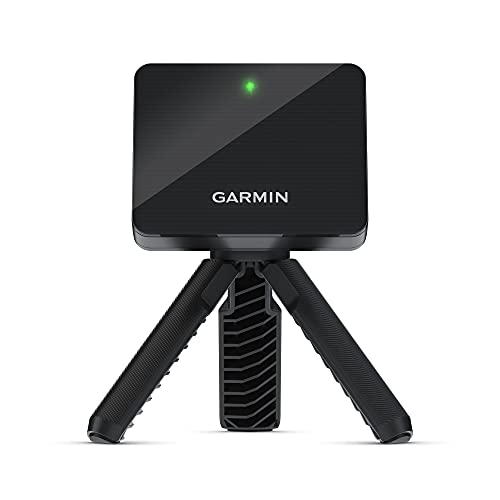
Garmin Approach R10 Portable Launch Monitor
The lower-cost radar option to free budget for the short-throw projector if measured spin is not a priority yet.
Crossing $2,000 in value is largely about the picture. In cheaper tiers you mount a standard projector behind your head and accept some shadowing and washout. Here, a genuine short-throw laser unit sits close to the screen and projects over or under the swing, which is the upgrade most owners notice first and love most. Keep the MLM2PRO as the data engine, add a quiet triple-layer screen and a stable mat, and you have a room that plays close to a commercial bay for a fraction of the price.
Quick comparison
| Product | Role | Best for | Price |
|---|---|---|---|
| Rapsodo MLM2PRO | Launch monitor | Measured-spin anchor | $599.98 |
| Optoma GT2000HDR | Short-throw projector | Shadow-free bright image | $988.66 |
| Durbles Triple-Layer Screen | Impact screen | Quiet, sharp display | $159.99 |
| GoSports Elite 5x5 Mat | Hitting mat | Stable full-swing stance | $179.99 |
| SkyTrak+ | Launch monitor | Photometric upgrade path | Retailer pricing |
| Garmin Approach R10 | Launch monitor | Budget alternative anchor | $399.98 |
Amazon pricing moves, so use these as a snapshot and total your exact build in the golf simulator cost calculator.
The complete build at $2,000
The recommended setup totals about $1,930: the MLM2PRO near $600, the Optoma GT2000HDR short-throw projector at roughly $989, the Durbles triple-layer screen at $160, and the GoSports Elite mat at $180. That uses nearly the full budget on purpose, because the short-throw projector is where this tier earns its keep. If you would rather spend less on the projector and start saving toward a photometric monitor, swap to a standard short-throw alternative, but most golfers should grab the shadow-free image now.
Optoma GT2000HDR (the upgrade that defines this tier)
The GT2000HDR is a genuine short-throw full HD laser projector, which means it sits close to the screen with a throw ratio low enough to project over or under your swing instead of through it. That ends the shadow and washout compromises of standard projectors used in cheaper builds, and the laser light source is bright and long-lived. Mount it at the correct height for your screen, confirmed with a throw calculation, and the image stays crisp and shadow-free across the full hitting area.
MLM2PRO and the screen
The Rapsodo MLM2PRO stays the data engine: radar plus dual cameras for measured spin, 15-plus metrics, shot-tracer video, and a large Premium course library. It needs depth between the tee and screen to read ball flight, so place it accordingly. The Durbles triple-layer impact screen pairs well with the bright short-throw projector, rendering a sharp image while its extra layers quiet the crack of impact and reduce bounce-back. Together they deliver the look and feel that separate this build from entry rooms.
Mat, the premium path, and the budget swap
The GoSports Elite 5 by 5 ft mat anchors a stable, forgiving stance with rubber tees included. For owners eyeing the next level, the SkyTrak+ is a photometric monitor with tighter accuracy and access to platforms like GSPro and E6 Connect, though it sells through golf retailers rather than Amazon and usually pushes past this budget once you add the projector. If you want to save now, the Garmin R10 is a cheaper radar anchor that frees cash for the short-throw projector while you decide on a monitor upgrade.
How we chose
We did not test this gear in person or hit into the screens ourselves. We compared published specifications, including the MLM2PRO's radar-and-camera metrics, the projector's short-throw ratio, brightness, and laser light source, screen layer construction, and mat thickness, then weighed those specs against patterns in verified owner reviews on Amazon. We prioritized the short-throw projector because shadow-free projection is the defining benefit of this budget, and we noted that premium photometric monitors like the SkyTrak+ live mainly outside Amazon.
Buying tips
Plan the geometry first. Aim for about 12 ft wide, 15 ft deep, and a 10 ft ceiling, test your full driver swing, and use our projector throw calculator with the room size calculator to set the short-throw projector at the right height. Buy the projector and monitor as the priority pair, then the screen and mat. For monitor depth see our best launch monitors under $1,000, for full kits see the best budget golf simulators, and for net-based starter rooms see the best golf simulator nets.
Golf Sim Build Planner
Room-fit worksheet, gear checklist, budget tracker, and wiring and lighting plan, in one printable planner that takes your build from idea to first swing.
Frequently Asked Questions
What is the best golf simulator under $2,000?
The strongest build pairs the Rapsodo MLM2PRO with a genuine short-throw laser projector, a triple-layer impact screen, and a GoSports Elite mat for roughly $1,930. The headline upgrade this budget unlocks is the short-throw projector, which sits close to the screen and clears your swing so you stop fighting shadows. You get measured-spin data and a clean, bright, shadow-free image, the closest a sub-$2,000 room comes to a commercial bay.
Why does a short-throw projector matter so much?
Throw distance equals throw ratio times image width, so a short-throw ratio around 0.5 to 0.8 lets the projector sit close to the screen and high or low enough to clear your swing. Standard projectors in cheaper builds must sit farther back, which puts them in your swing path and casts your shadow onto the image. The Optoma GT2000HDR is a true short-throw laser unit, which is the single biggest quality-of-life upgrade between a $1,500 and a $2,000 room.
Should I buy the MLM2PRO or save for a SkyTrak+?
The MLM2PRO fits cleanly under $2,000 alongside a short-throw projector and a quality screen, and its radar-plus-camera system measures spin well. The SkyTrak+ is a photometric step up with tighter accuracy favored for dedicated rooms, but it is sold through golf retailers rather than Amazon and usually pushes the total over budget once you add the projector. If a shadow-free image matters most now, take the MLM2PRO build and upgrade the monitor later.
How much space do I need for a $2,000 setup?
Aim for about 12 ft of width, 15 ft of depth, and a ceiling near 10 ft so a full driver swing is comfortable, with 9 ft as a tested minimum. A short-throw projector eases placement but still needs correct mounting height, and the MLM2PRO wants depth to read ball flight. Both-handed play wants 15 ft of width. Use our room size and projector throw calculators to confirm the geometry before you order anything.
Do I need an enclosure at this budget?
Not necessarily; under $2,000 the money goes to the monitor, short-throw projector, screen, and mat, and many owners hang the impact screen on a simple DIY frame or in a corner rather than buying a full enclosure. A formal enclosure adds side netting and a finished look but also cost, so it often waits for a later upgrade. If you want side protection sooner, a hitting net beside the screen is a cheaper interim fix.
What software runs best on this build?
The MLM2PRO uses Rapsodo's app with a large Premium course library and connects to third-party platforms depending on your plan. If you upgrade to a SkyTrak+, you open access to GSPro, E6 Connect, and TGC for the most realistic course play, which is a major reason serious users move to photometric monitors. Either way, budget for a capable PC or tablet and a monthly or annual software fee on top of the hardware.
Building a golf sim?
Use our free calculators and guides to size the room, the gear, and the budget.
Build Planner: $39