Best Golf Simulators for Beginners (2026)
The best golf simulators for beginners in 2026: easy-to-use, affordable launch monitors with clear feedback, from the Garmin R10 to Rapsodo, plus a starter buying guide.
The best golf simulator for beginners is the Garmin Approach R10: affordable, easy to set up, and packed with useful data through a friendly app. If you learn better by watching your swing, the Rapsodo MLM2PRO adds automatic shot video, and the SkyTrak+ is the obvious step-up once you want full course play. On the lowest budget, the Rapsodo Mobile and the no-app PRGR HS 130-A get you swinging with real numbers for around 200 dollars. Here are six beginner-friendly picks plus how to build a starter setup without overspending.
Best Beginner Golf Simulators for 2026
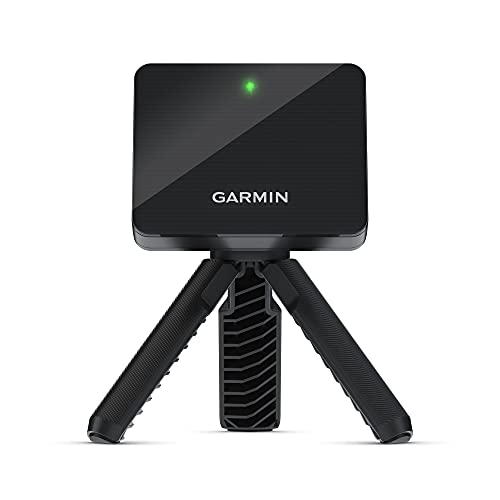
Garmin Approach R10 Portable Launch Monitor
Affordable radar with a friendly app, up to 10 hours of battery, and useful data like club and ball speed; the most recommended starting point for new golfers.

Rapsodo MLM2PRO Launch Monitor
Camera and radar combo that records automatic shot video so beginners can see their swing and numbers together; includes practice and range software.

SkyTrak SkyTrak+ Launch Monitor
Photometric monitor that pairs with full course-play software; the natural step-up once a beginner wants more accuracy and realistic simulator rounds.

The lowest-cost way in: a clip-and-go radar that uses your iPhone or iPad to show ball speed, club speed, and launch angle with GPS-style shot view.

Voice Caddie SC200Plus Portable Launch Monitor
Pocket monitor that calls out distance and speed aloud with a 12-hour battery; simple, no-fuss feedback for range and backyard practice.

PRGR HS 130-A Portable Launch Monitor
Turn it on and swing: no app, runs on AAA batteries, and shows club speed, ball speed, smash factor, and carry; a great speed-training starter.
The mistake most new golfers make is buying too much monitor, or buying a monitor and then realizing they still need a mat, a net, and software. A beginner does not need tour-grade accuracy to improve. You need consistent, readable feedback that you will actually use, plus the simple gear that turns a launch monitor into a complete practice loop. Every unit below delivers that, and they range from about 200 dollars to 600 dollars so you can match the spend to how serious you are right now.
Quick comparison
| Monitor | Type | Best for | Price |
|---|---|---|---|
| Garmin Approach R10 | Radar | Best all-around starter | $399.98 |
| Rapsodo MLM2PRO | Camera + radar | Swing video and data together | $599.98 |
| SkyTrak+ | Photometric | Step-up accuracy and course play | Check price |
| Rapsodo Mobile | Radar (iOS) | Cheapest way in | $199.98 |
| Voice Caddie SC200Plus | Doppler | No-fuss audible feedback | $234.99 |
| PRGR HS 130-A | Doppler | Simplest, no app needed | $199.99 |
Prices on Amazon move around, and the SkyTrak+ is often sold through golf retailers rather than Amazon. For complete setups at each budget tier, see our best budget golf simulators roundup.
Garmin Approach R10 (Best Overall for Beginners)
The R10 is the unit most new golfers should buy first. It is a portable radar with up to 10 hours of battery, a clean app, and the metrics that actually help you improve: club head speed, ball speed, launch angle, and carry. It works indoors into a net or screen and outdoors at the range, includes simulated home courses, and costs a fraction of premium monitors. The accuracy is good rather than perfect, which is exactly the right trade for someone learning the game and building a practice habit.
Rapsodo MLM2PRO (Best Feedback)
Beginners learn fastest when they can see their swing and their numbers at the same time, and the MLM2PRO is built around that. It pairs a camera with radar and records automatic slow-motion shot video, so a slice or a thin strike becomes obvious instead of mysterious. It also includes practice and range software. It costs more than the R10, but if self-coaching appeals to you, the video feedback is worth the step up.
SkyTrak+ (Best Step-Up)
When a beginner outgrows a starter radar and wants realistic course play with sharper accuracy, the SkyTrak+ is the classic next move. It is a photometric monitor that connects to popular simulator software for full virtual rounds, and it needs less depth behind the ball than a pure radar. It is not the cheapest entry, so we list it as the upgrade rather than the first buy, but it is the unit many golfers settle on for the long haul.
Budget pocket picks: Rapsodo Mobile, SC200Plus, and PRGR
If you want to spend the least and still practice with real data, three small units fit the bill. The Rapsodo Mobile clips in and uses your iPhone or iPad to show speed and launch angle for around 200 dollars. The Voice Caddie SC200Plus calls your numbers out loud and runs up to 12 hours on a charge. The PRGR HS 130-A needs no app at all, runs on AAA batteries, and is a superb speed-training starter. None replaces a full simulator, but each is a genuine, affordable way to begin.
How we chose
We did not test these monitors in person. We compared published manufacturer specifications, the underlying technology, ease of setup, app and software support, battery life, and price, then weighed those against patterns in verified owner reviews. For a beginner roundup, we prioritized units that are simple to set up, forgiving about placement, and clear in the data they show, because a monitor a new golfer finds intimidating is a monitor that ends up in a closet.
We did not simply rank by raw accuracy, since the most precise monitor is rarely the right first purchase. The figures here, including battery life and accuracy claims, come from manufacturers and owner reports, so treat them as estimates. The best beginner monitor is the one you will set up and use several times a week, not the one with the longest spec sheet.
Buying tips
Decide first whether you want raw numbers or full course play. For numbers and faster improvement, a portable radar like the R10 is ideal. For course play, choose a monitor that lists simulator software support. Then budget for the whole setup, not just the monitor: plan for a mat, a net or impact screen, and a device to run the app. If you intend to hit indoors, confirm your ceiling height and space before you buy anything, because clearance matters more than the brand on the box.
Once you have the monitor sorted, our how to build a golf simulator guide walks through every remaining component in the right order, and our budget simulator roundup pairs each monitor with a complete, sensible setup. Start simple, build the habit, and upgrade only when your game asks for it.
Golf Sim Build Planner
Room-fit worksheet, gear checklist, budget tracker, and wiring and lighting plan, in one printable planner that takes your build from idea to first swing.
Frequently Asked Questions
What is the best golf simulator for beginners?
The Garmin Approach R10 is the best all-around starting point for most beginners. It is affordable, easy to set up, pairs with a clear app, and gives genuinely useful data like club speed, ball speed, and carry distance. If you want to actually see your swing alongside the numbers, the Rapsodo MLM2PRO adds automatic shot video, which speeds up learning. Both pair with a net or screen to build a complete beginner setup.
How much should a beginner spend on a golf simulator?
A capable beginner monitor runs roughly 200 to 600 dollars, and a full setup with a net, mat, and laptop or tablet typically lands between 600 and 1,500 dollars. You do not need a tour-grade launch monitor to improve, so start with a friendly unit like the R10 or a pocket monitor, then upgrade later. Our budget simulator roundup breaks down complete setups at several price points so you can plan the whole spend, not just the monitor.
Do beginners need an expensive photometric launch monitor?
No. Premium photometric units like SkyTrak+ are excellent, but a beginner gets most of the benefit from an affordable radar that shows speed, distance, and shot shape. The data a new golfer needs most is consistent feedback they will actually use. Start with something simple and affordable, build the habit of practicing with numbers, and step up to a photometric unit only when you want more accuracy or full course-play graphics.
What else do I need besides a launch monitor?
At a minimum, a beginner needs a hitting mat, a way to stop the ball such as a net or impact screen, and a device to run the app, usually a phone, tablet, or laptop. Many starter monitors work outdoors at a range too, so you can begin before building a room. If you plan to hit indoors, check your ceiling height and space first. Our build guide walks through every component in order.
Can I use a beginner simulator to actually play courses?
Some can. The Garmin R10 includes a home tee experience with simulated courses, and the Rapsodo MLM2PRO and SkyTrak+ connect to richer simulator software for course play. The simplest pocket monitors, like the PRGR HS 130-A, focus on raw data rather than course graphics. If playing virtual rounds matters to you, choose a monitor that lists course-play software support rather than a speed-only training unit.
Is a radar or camera monitor easier for beginners?
Radar units like the R10 are usually the easiest to start with because they are forgiving about placement and work well both indoors with a net and outdoors at a range. Camera monitors can be slightly fussier about lighting and positioning but reward you with strong accuracy in tight spaces. For a first purchase, most beginners are happiest with a portable radar, then move to a camera unit as their needs grow.
Building a golf sim?
Use our free calculators and guides to size the room, the gear, and the budget.
Build Planner: $39